Karma Tshirt Design Graphic: A Designer’s Review
As an embroidery designer who has spent countless hours digitizing, stitching, and troubleshooting designs for clients, I approach every new machine embroidery design with a critical eye. It is not just about whether the image looks pretty on a screen; it is about how it translates to thread, how it behaves under the needle, and ultimately, how it performs as a finished product. Recently, I evaluated the Karma Tshirt Design Graphic to determine its viability for real-world applications, ranging from custom apparel to boutique merchandise.
First Impressions and Visual Personality
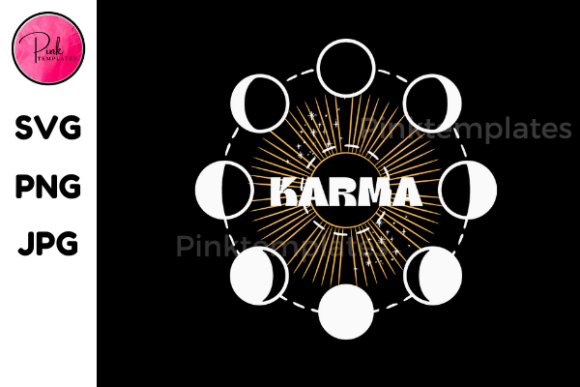
The first thing that strikes you about the Karma Tshirt Design Graphic is its thematic resonance. The concept of "Karma" carries a weight of balance, consequence, and mindfulness, which translates well into visual art. In terms of layout, the design appears balanced, avoiding the common pitfall of being too heavy on one side. For an embroidery project, this symmetry is crucial because it ensures the garment hangs correctly after stitching.
The mood created by this graphic is contemplative yet modern. It does not scream for attention with chaotic details but rather invites a closer look. This subtle confidence makes it an excellent candidate for custom apparel where the wearer wants to express a personal philosophy without being overly loud. When I visualize this as a T-Shirt Designs asset, I see it working particularly well for brands that focus on wellness, yoga, or sustainable living. The visual personality is clean, which suggests that if digitized correctly, it could avoid excessive stitch counts while maintaining clarity.
Real-World Application: The Custom Tote Bag Scenario
To truly test the potential of any digital embroidery file, I imagine it in a specific production scenario. Let us consider a custom order for a local boutique selling eco-friendly goods. The client wants a series of tote bag design options that appeal to mindful consumers. Here, the Karma Tshirt Design Graphic shines.
On a canvas tote, the texture of the fabric provides a natural backdrop for embroidery. If this design were converted into an applique design, it would reduce bulk and add a interesting textural contrast between the fabric patch and the base material. Alternatively, using a fill stitch for the main elements and a satin stitch for borders or text would create a premium look. The design’s structure seems robust enough to handle the pull of the stitches on a heavier fabric like canvas, which is often more forgiving than thin cotton.
For Etsy sellers and craft business owners, this versatility is key. You are not limited to just shirts. This graphic could easily be adapted for sweatshirt embroidery, where the thicker fabric supports denser stitching, or even as an embroidered patch that can be ironed or sewn onto jackets and bags. The ability to repurpose one strong design assets across multiple product lines increases the return on investment for small shop owners.
Technical Considerations for Stitching
While the aesthetic is promising, the technical execution is where many designs fail. Since the product description indicates that you receive SVG, JPG, and PNG files, it is important to clarify that these are primarily graphic formats, not native machine embroidery files like PES or DST. This means that if you are an embroiderer, you will need to digitize these graphics yourself or hire a digitizer. This is a crucial distinction for commercial embroidery projects.
When digitizing the Karma Tshirt Design Graphic, pay close attention to stitch density. If the original graphic has solid black areas, converting them directly to fill stitches can result in a stiff, puckered mess. Instead, consider using a patterned fill or reducing the density to allow the fabric to breathe. For any text included in the design, ensure that the font size is large enough to be legible when stitched. Tiny lettering often gets lost in the thread buildup, especially on textured fabrics.
Another critical factor is the choice of stabilizer. For stretchy fabrics like t-shirts or baby clothes, a cut-away stabilizer is non-negotiable to prevent distortion. For woven fabrics like aprons or pillow covers, a tear-away might suffice. Always test the design on scrap fabric first. Check how the thread colors interact with the fabric background. A dark thread on a dark fabric may lack definition, so consider using a contrasting border or a lighter shade to make the design pop.
Navigating Fabric and Hoop Constraints
Not every surface is ideal for every design. The Karma Tshirt Design Graphic should be used carefully on curved surfaces like caps. The curvature can distort the image, making symmetrical designs look off-center. If you plan to use this for cap embroidery, ensure your hoop size is appropriate and that you use a sturdy stabilizer to combat the tension of the curved brim.
Similarly, be cautious with thin or delicate fabrics. High stitch density can cause puckering or tearing. If you are creating a baby embroidery item, such as a onesie or blanket, opt for softer threads like rayon or polyester and keep the design size moderate. Avoid dense corners and tiny details that may not stitch out cleanly on small hoop sizes. For holiday embroidery gifts, such as kitchen towels or napkins, ensure the design is placed away from seams and hems to avoid interference during stitching.
Enhancing Brand Value and Customer Trust
From a business perspective, the quality of your embroidery directly impacts customer trust. A well-executed personalized gift featuring the Karma Tshirt Design Graphic can elevate a simple item into a cherished keepsake. Consistency in your stitching quality builds brand recognition. Whether you are selling small shop product items at a craft fair or listing printable mockup previews online, the professionalism of your finished work speaks volumes.
Using high-quality Graphics as the foundation for your embroidery allows for better marketing materials. You can create realistic mockups showing how the design looks on various garments, helping customers visualize the final product. This transparency reduces return rates and increases buyer engagement. For digital product sellers, offering this design as part of a bundle with other mindfulness-themed graphics can attract a niche audience looking for cohesive branding elements.
Final Verdict and Practical Advice
The Karma Tshirt Design Graphic is a versatile asset with strong potential for both personal and commercial use. Its balanced composition and meaningful theme make it suitable for a wide range of embroidery file applications, from apparel decorators creating custom uniforms to hobbyists making holiday gifts. However, success depends on proper digitization and material selection.
Before launching any product line, confirm licensing terms. Ensure you have the right to sell finished items made with this design. Test different thread colors to find the combination that best highlights the design’s details. Inspect small details closely after a test run to ensure no threads are loose or skipped. By treating this graphic as a starting point for creative experimentation rather than a final solution, you can unlock its full potential in your craft business.
Remember, the best embroidery projects are those where the technical execution matches the artistic vision. With careful planning and attention to detail, the Karma Tshirt Design Graphic can become a staple in your portfolio of T-Shirt Designs and beyond.