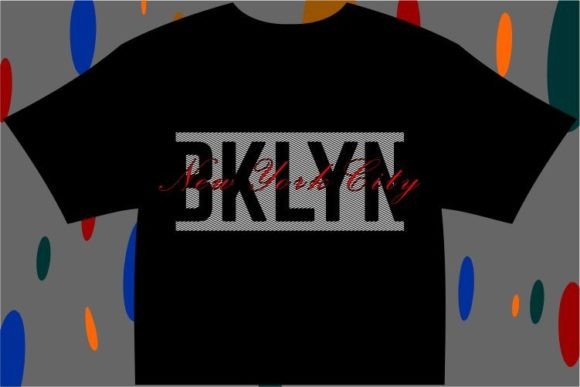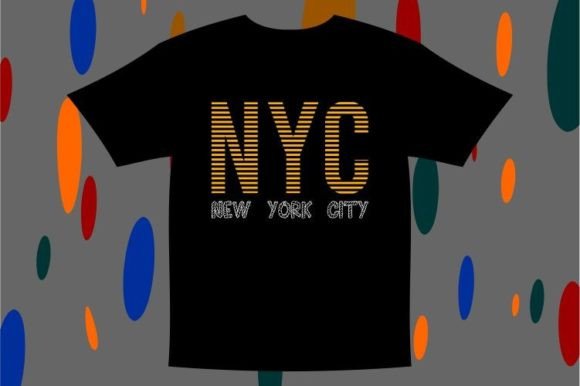
New York City Urban Graphic T-Shirt Design Review
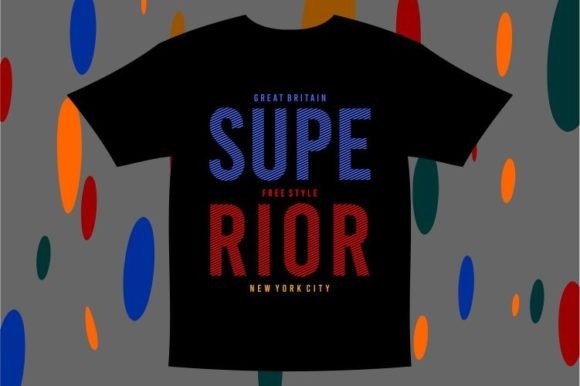
As a designer who has spent countless hours hooping fabrics and troubleshooting thread breaks, I approach every new machine embroidery design with a mix of curiosity and caution. When I first loaded the New York City Urban City Graphic T Shirt file into my software, I wasn’t just looking at pixels; I was visualizing the final stitch-out. This isn’t merely a digital asset; it is a potential cornerstone for a small shop product line or a standout piece in a custom apparel collection. The mood it creates is immediate: gritty, energetic, and unmistakably metropolitan. For embroidery designers and craft business owners, understanding how this graphic translates from screen to fabric is crucial before committing to production.
First Impressions and Visual Personality
The layout of the New York City Urban City Graphic T Shirt strikes a balance between bold statement and wearable art. It doesn’t rely on excessive intricacy that might get lost in translation, nor is it so simple that it feels generic. The visual personality suggests a modern, street-style aesthetic that appeals to a broad demographic. When evaluating T-Shirt Designs, I always look for clear lines and defined shapes. This graphic delivers on that front, offering strong contours that are essential for maintaining clarity during the stitching process. The theme resonates with anyone who loves urban culture, making it a versatile choice for personalized gifts or boutique branding.
In a real-world scenario, imagine you are preparing a batch of custom tote bags for a local market. You need a design that pops against canvas but doesn’t weigh down the fabric. This graphic fits that bill perfectly. Its structure allows for creative interpretation—whether you choose a dense fill stitch for a solid, poster-like look or opt for a running stitch outline for a more subtle, sketch-like effect. The key is recognizing that the design’s strength lies in its silhouette. It commands attention without screaming, which is exactly what customers look for in high-quality handmade products.
Performance in Real-Life Embroidery Situations
Testing a design theoretically is one thing; seeing it perform on actual materials is another. I evaluated how the New York City Urban City Graphic T Shirt would behave across various common projects. For sweatshirt embroidery, the design holds up remarkably well. The thicker fabric of a hoodie or crewneck provides a stable base that supports the stitch density required to make the graphic stand out. Here, you can afford to use richer thread colors and slightly denser fills because the fabric won’t pucker as easily as lighter materials might.
However, when moving to t-shirts or baby clothes, the approach must shift. On thin or stretchy fabric, this design requires careful handling. If you are creating baby embroidery items, such as a onesie or a soft blanket, you must prioritize comfort. A heavy fill stitch might feel stiff against sensitive skin. In these cases, consider scaling the design down or using an applique design technique where a piece of fabric covers the bulk of the shape, outlined with a satin stitch. This reduces the amount of thread on the garment while keeping the visual impact intact. For caps and hats, the curved surface presents a challenge. The design’s horizontal elements need to be checked for distortion. If the graphic is too wide, it may wrap around the curve of the cap awkwardly. Always preview the design in 3D if your software allows, or print a paper template to pin onto the cap before stitching.
For Etsy sellers and digital product sellers, this graphic is also valuable for printable mockups. Since the files include transparent backgrounds, you can easily overlay the design on product photos to show customers what the finished product will look like. This enhances buyer engagement and builds trust, as customers can visualize the item on a tote bag design or a pillow cover before purchasing.
Navigating Technical Challenges and Fabric Constraints
No design is universally perfect for every situation, and honest review means acknowledging where caution is needed. With the New York City Urban City Graphic T Shirt, attention must be paid to small details and corners. If the graphic includes fine lines or tiny lettering, these areas are prone to thread breaks or merging stitches if the needle size or thread tension is not calibrated correctly. On textured fabrics like terry cloth towels or rough linen aprons, small details can get lost. In such cases, increasing the stitch density slightly or choosing a contrasting thread color can help maintain visibility.
Dark fabrics present another consideration. If you are stitching this design on a black navy sweatshirt, standard thread colors may not pop. You might need to adjust the thread colors in your software to brighter shades or add an underlay stitch to create a barrier between the dark fabric and the top threads. This prevents the background color from showing through the stitches, ensuring the design remains crisp and professional. Additionally, for products that need frequent washing, such as kitchen towels or children’s clothing, ensure that the stabilizer used is appropriate. A cut-away stabilizer is often better for stretchy garments to prevent distortion over time, while a tear-away might suffice for stable woven fabrics like tote bags.
Enhancing Value and Brand Consistency
From a business perspective, the quality of your embroidery directly impacts customer trust and brand consistency. Using a well-balanced graphic like the New York City Urban City Graphic T Shirt elevates the perceived value of your handmade product. It signals professionalism and attention to detail. For small business merchandise, having a cohesive look across different items—such as matching tote bags and t-shirts—helps build brand recognition. This design’s versatile style allows it to fit into various collections, from holiday embroidery gifts to everyday wear.
When presenting this as a finished product, the cleanliness of the backside matters just as much as the front. Trim jump stitches carefully and ensure that the stabilizer is trimmed close to the design edge without cutting the garment fabric. A neat finish reinforces the idea that this is a premium item, worth the price point. For commercial embroidery projects, consistency is key. If you are producing multiple units, keep a record of the settings—hoop size, stabilizer type, and thread brands—that yielded the best results. This ensures that every item meets the same high standard.
Practical Notes for Designers and Makers
Before you run this design on your final product, take these practical steps. First, always test the design on scrap fabric that matches your project material. This allows you to check thread color contrast and identify any potential puckering issues. Review the stitch density in your software; if it looks too dense for your fabric, adjust the settings to reduce pull. Confirm your hoop size to ensure the design fits comfortably with room for clamping. Inspect small details closely; if any elements seem too tiny to stitch cleanly, consider simplifying them or removing them entirely.
It is also wise to test the design in black and white mockups. This helps you see the value and contrast independent of color, ensuring the shape remains recognizable even if a customer chooses monochrome thread. Compare how it looks on light and dark fabric backgrounds to determine if you need to adjust thread choices. Use proper stabilizer for your specific fabric texture; this is non-negotiable for a professional result. Finally, verify the licensing terms. While these designs are available in SVG, EPS, PNG, and transparent background formats, always confirm whether the license permits commercial use for selling finished items or digital products. Protecting your craft business and respecting intellectual property is part of being a responsible maker.
In conclusion, the New York City Urban City Graphic T Shirt is a robust asset for any embroidery designer’s toolkit. It offers flexibility, visual appeal, and commercial viability when handled with care. By understanding its strengths and limitations, you can create stunning, high-quality products that resonate with customers and stand the test of time.