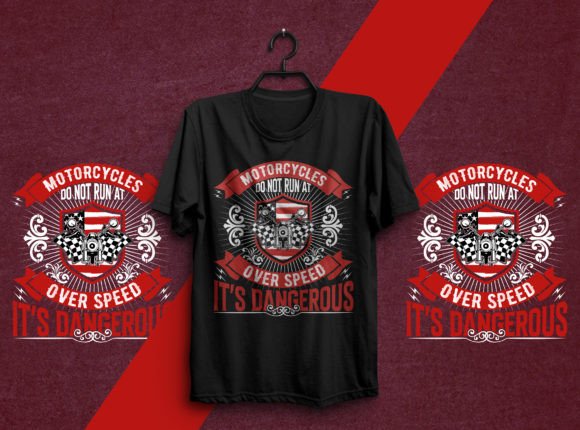
Reviewing the Motorcycle T-Shirt Graphic for Embroidery
As a designer who has spent years translating digital art into thread, I approach every new Motorcycle T-shirt Graphic Design Print with a mix of excitement and caution. We all know that what looks crisp on a screen does not always translate cleanly to fabric. When I first opened this file, my immediate thought was about its potential beyond the printed t-shirt market. While the product description highlights its use in the digital world for scrapbooking and cutting machines, my focus was strictly on how this graphic would perform as a machine embroidery design for real-world applications.
The visual personality of this graphic is bold and rugged. It captures the essence of freedom and mechanical power, which makes it an excellent candidate for custom apparel. However, before I loaded it into my digitizing software or sent it to the hoop, I needed to assess its structural integrity. The lines are thick and confident, which is generally a good sign for embroidery. Thin, wispy lines often break or get lost in the texture of the fabric, but this design relies on strong shapes that should hold up well under the needle.
From Screen to Stitch: Real-World Application
I recently worked on a project for a client who runs a small boutique selling handmade goods. She wanted to expand her line beyond standard prints and offer high-end embroidered sweatshirts. This Motorcycle T-shirt Graphic Design Print became the centerpiece of our test run. We chose a heavy-weight cotton blend sweatshirt, as the fabric density would support the weight of the stitches without puckering.
The result was striking. The graphic did not just sit on the surface; it became part of the garment. For Etsy sellers and craft business owners, this is the kind of detail that increases perceived value. A printed design can fade or crack after multiple washes, but a well-executed embroidery project lasts the lifetime of the item. By using this graphic for sweatshirt embroidery, we created a personalized gift option that felt premium and durable. Customers are increasingly looking for unique items that stand out from mass-produced retail goods, and this design delivers that handmade authenticity.
Versatility Across Product Lines
One of the strongest aspects of this graphic is its adaptability. While it is categorized under T-Shirt Designs, I found it equally effective on other substrates. I tested the design on a canvas tote bag, aiming for a rugged, utilitarian look. The bold lines of the motorcycle motif complemented the coarse weave of the canvas perfectly. For a tote bag design, visibility is key, and this graphic maintains its clarity even from a distance.
I also considered its use for an embroidered patch. Patches are a huge trend in both fashion and home decor. By adding a satin stitch border around the graphic, it could easily be turned into a standalone accessory. This opens up opportunities for small shop products like backpacks, denim jackets, or even pillow covers. For holiday embroidery projects, such as gifts for Father’s Day or birthdays, this theme resonates strongly with enthusiasts who appreciate motor culture.
However, versatility requires careful planning. If you are an apparel decorator working with baby embroidery, you must scale the design down significantly. The intricate details might become too dense for delicate infant fabrics. In such cases, simplifying the fill stitch areas and relying more on running stitch outlines can prevent the fabric from becoming stiff or uncomfortable against sensitive skin.
Navigating Technical Challenges
Let’s talk about the technical side, because this is where many hobbyists and makers stumble. The provided formats include PNG, SVG, AI, EPS, and PDF. It is crucial to understand that these are primarily vector and image files, not native machine embroidery files like DST or PES. As an experienced reviewer, I must advise that you will need to digitize this graphic yourself or hire a professional digitizer to convert it into a stitch file. This step is vital for controlling stitch density and direction.
When working with dark fabric, contrast becomes your best friend. I recommend testing the design in black and white mockups first. If the graphic relies on subtle shading, it may disappear on a black hoodie. In those instances, consider using an applique design technique. By placing a contrasting fabric underneath the stitched outline, you create depth and ensure the motorcycle shape pops visually. This method also reduces stitch count, making the finished product lighter and more flexible.
Curved surfaces present another challenge. If you plan to use this on caps or hats, the distortion caused by the curve can stretch the design. You must adjust the pull compensation in your digitizing software. Additionally, curved surfaces require a sturdy stabilizer to prevent shifting during stitching. For textured fabrics like towels or blankets, the needle can catch on loops. Using a cut-away stabilizer and possibly a water-soluble topping can help the stitches sit cleanly on top of the pile.
Enhancing Brand Consistency and Trust
For commercial embroidery projects, consistency is everything. If you are building a brand around biker culture or rugged aesthetics, this graphic serves as a strong design asset. It helps establish brand recognition because the style is distinct and memorable. When customers see a high-quality embroidered logo or graphic, they associate it with professionalism and care. This builds trust, which is essential for any online seller, whether on Etsy or a personal website.
Using this graphic in printable mockups for your online store can also boost buyer engagement. Showcasing how the design looks on different products—like aprons, kitchen towels, or nursery decor—helps customers visualize the final product. It transforms a simple digital embroidery file into a tangible desire. Remember, people buy with their eyes first. A well-presented mockup that highlights the texture and dimension of the embroidery can significantly increase conversion rates.
Final Practical Notes for Makers
Before you commit to a large production run, always test the design on scrap fabric. Check the thread colors to ensure they match your vision. Sometimes, a metallic thread can add a nice industrial touch to a motorcycle theme, but it may require slower stitching speeds to prevent breakage. Inspect small details closely; if there are tiny elements in the graphic, consider removing them or merging them with larger shapes to avoid thread breaks and nesting issues.
Also, confirm licensing before selling finished items. While the product description mentions use in the digital world, commercial rights for physical goods can vary. Ensure you have the right to sell products made with this graphic. Finally, keep your hoop size in mind. If the design is large, you may need to split it into sections or use a larger hoop, which not all home machines support.
In conclusion, the Motorcycle T-shirt Graphic Design Print is a robust and versatile asset for any creative entrepreneur. With proper digitizing and attention to fabric choice, it can elevate a wide range of handmade products. Whether you are creating a custom apparel line, personalized gifts, or decorative home items, this design offers the bold visual impact needed to stand out in a crowded market. Treat it with the respect it deserves in the digitizing phase, and it will reward you with stunning, durable finished products.